Beechcraft King Air 260 Charter
Published · Updated
The Beechcraft King Air 260 is the modern descendant of the best-selling business turboprop ever built, and it is the twin-engine workhorse of the value end of the New York–Miami run. Two Pratt & Whitney Canada PT6A-52 engines, a square-shouldered six-to-eight-seat cabin, and rugged manners on shorter runways make it the practical, economical way to fly privately between the New York metro and South Florida.
- 1,720 nm range
- 310 ktas cruise
- 6–8 passengers
Estimated pricing for planning — your account manager confirms the final quote.
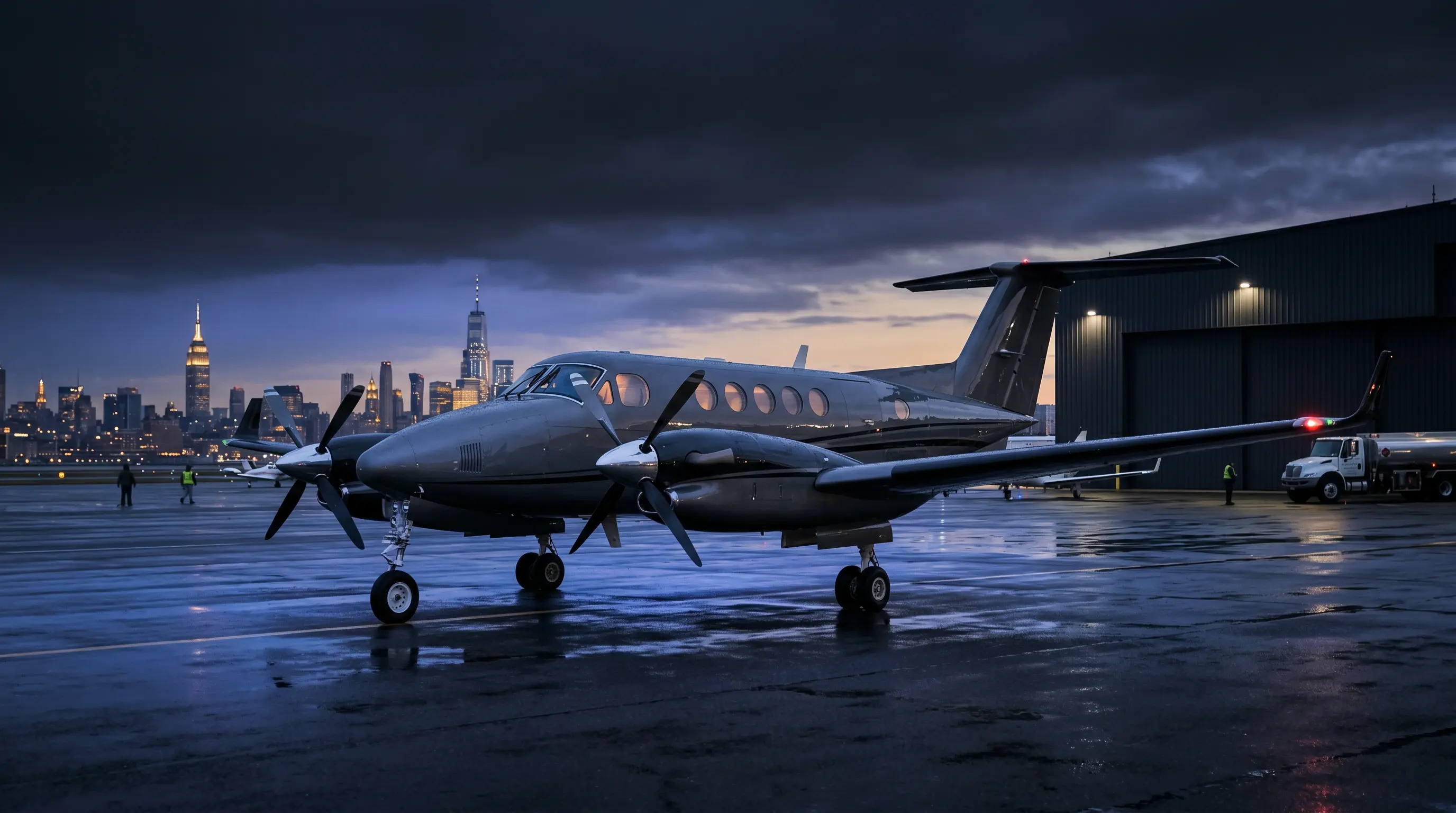
Private charters between New York and Miami typically depart from Teterboro Airport (TEB), Westchester County Airport (HPN), Morristown Municipal Airport (MMU), or Republic Airport (FRG) and arrive at Miami-Opa Locka Executive Airport (OPF), Fort Lauderdale Executive Airport (FXE), Miami International Airport (MIA), or President Donald J. Trump International Airport (DJT).
King Air 260 specifications
Manufacturer performance figures — Beechcraft (Textron Aviation).
- 1,720 nm
- Max range
- 310 ktas
- Cruise speed
- 6–8
- Passengers
- 4 ft 9 in
- Cabin height
- 55 cu ft
- Luggage
- 35,000 ft
- Service ceiling
Flying New York to Miami in a King Air 260
With 1,720 nautical miles of range against the route's 950, the King Air 260 covers New York to Miami nonstop with a full cabin and IFR reserves — no fuel stop in either direction. At a 310-knot cruise it is a propeller aircraft rather than a jet, so plan on roughly three hours and ten minutes in the air from Teterboro or Westchester down to Opa Locka or Fort Lauderdale Executive — about forty minutes more than a light jet, for a markedly lower charter rate.
Twin PT6A-52 turbines give it the redundancy of a second engine and a well-earned reputation for dependability, while a 35,000-foot ceiling lets it climb above much of the weather and traffic stacked over the Eastern Seaboard for a comfortable, pressurized ride.
Runway flexibility and a square cabin
The King Air's runway flexibility opens up smaller regional fields that jets cannot use — Morristown or Republic at the New York end, the quieter South Florida executive airports at the other — which can put you closer to where your trip actually starts and ends.
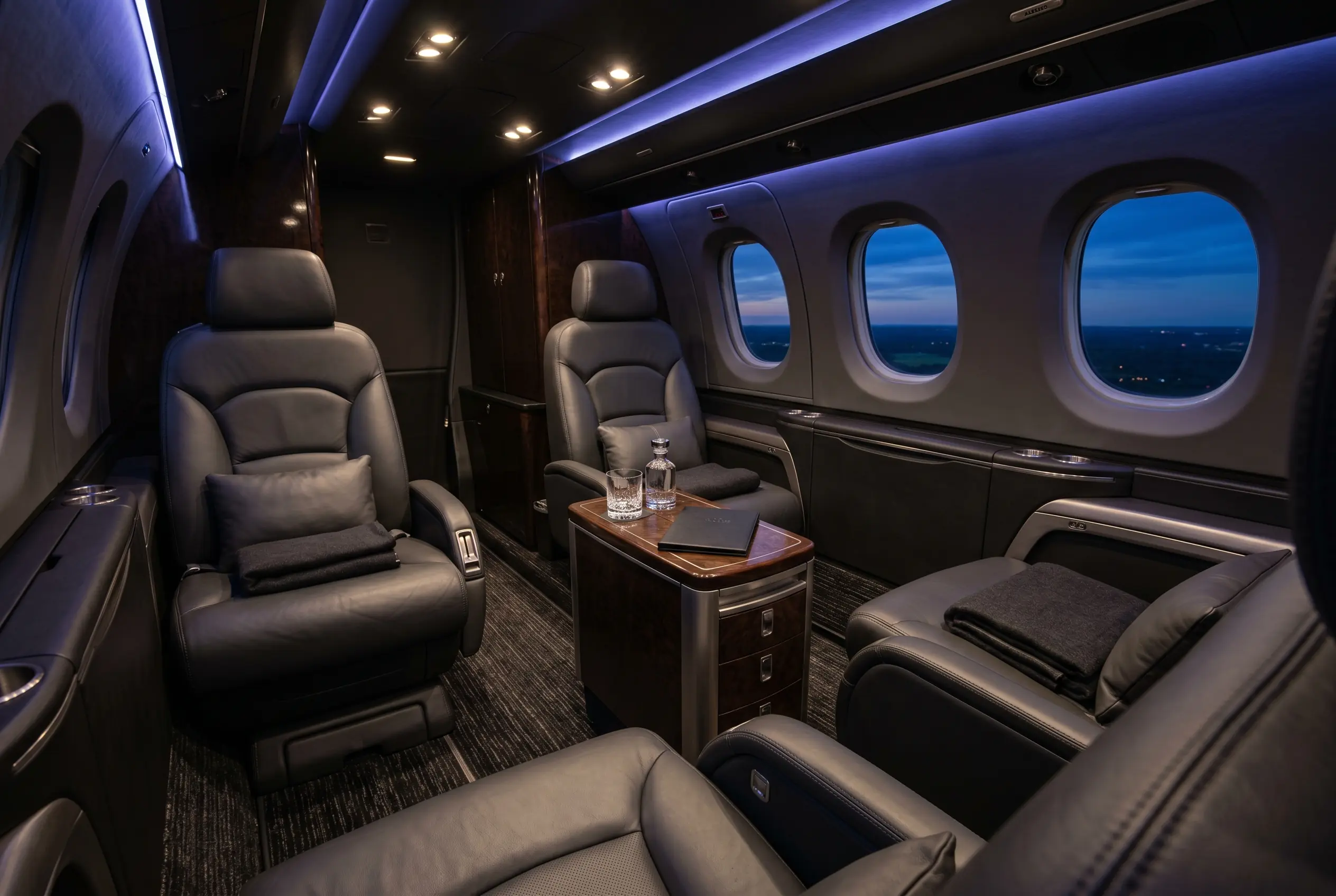
Inside, the 16-foot-8-inch cabin seats six to eight in a club layout with 4-foot-9 headroom and a flat, square-section floor that feels roomier than the numbers suggest, plus 55 cubic feet of luggage for golf clubs and roller bags on a long South Florida weekend.
Why travelers choose the King Air 260
- Twin-engine turboprop redundancy with proven PT6A-52 reliability
- Nonstop New York to Miami with a full cabin and reserves
- Lower charter rate than a comparable light jet on this route
- Runway flexibility for regional New York and Florida airports
- Square club-four cabin seating up to nine with 55 cu ft of luggage

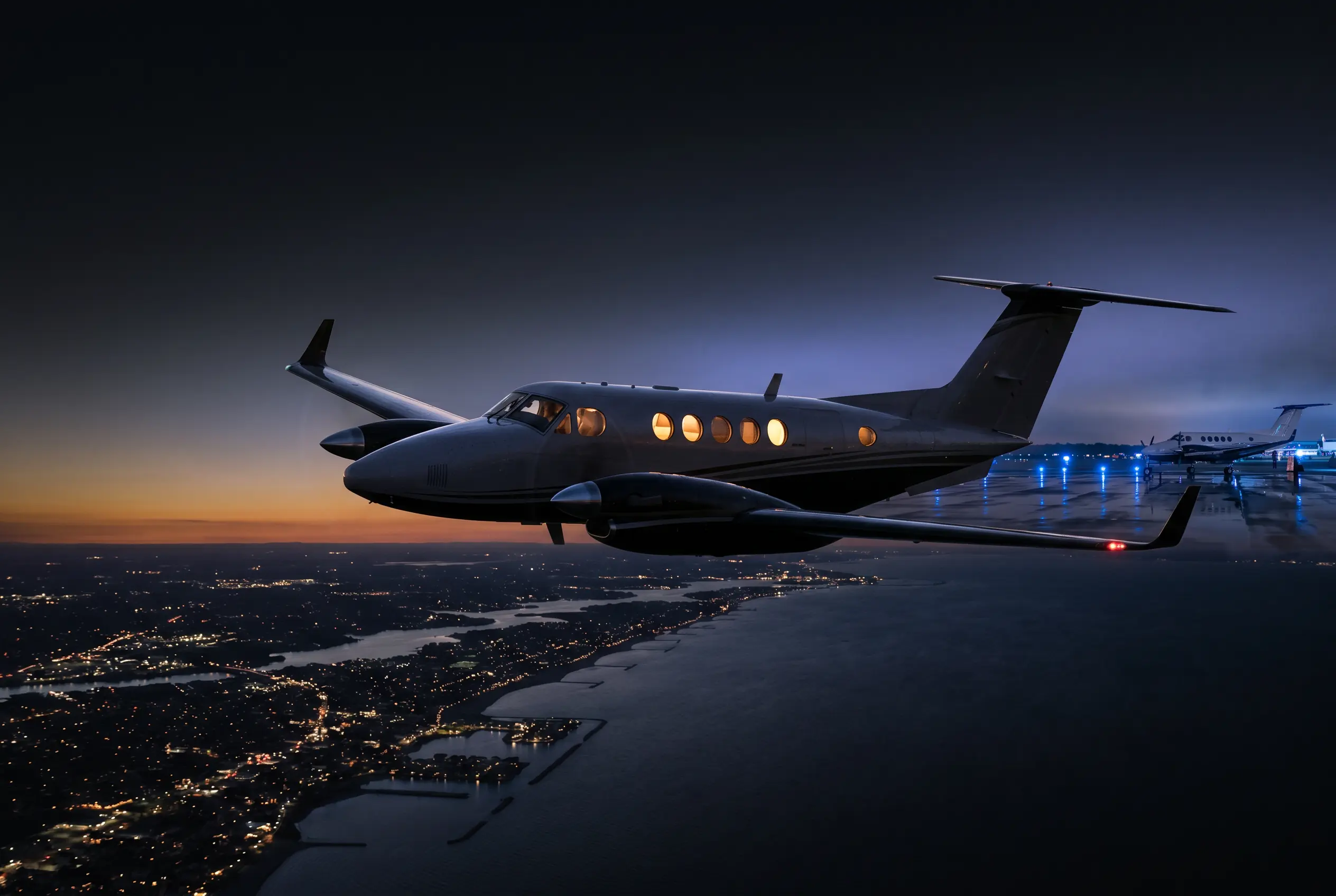
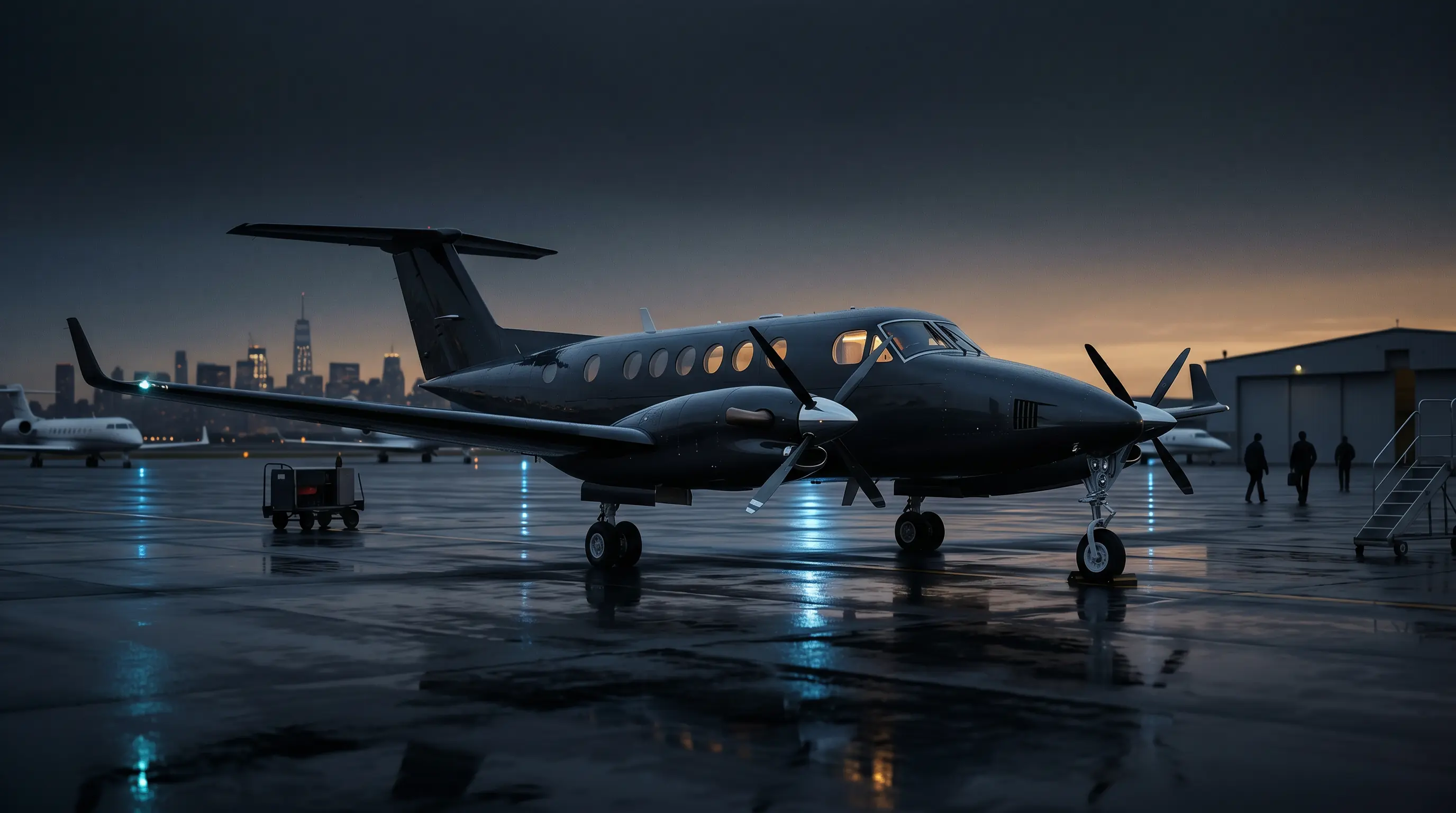
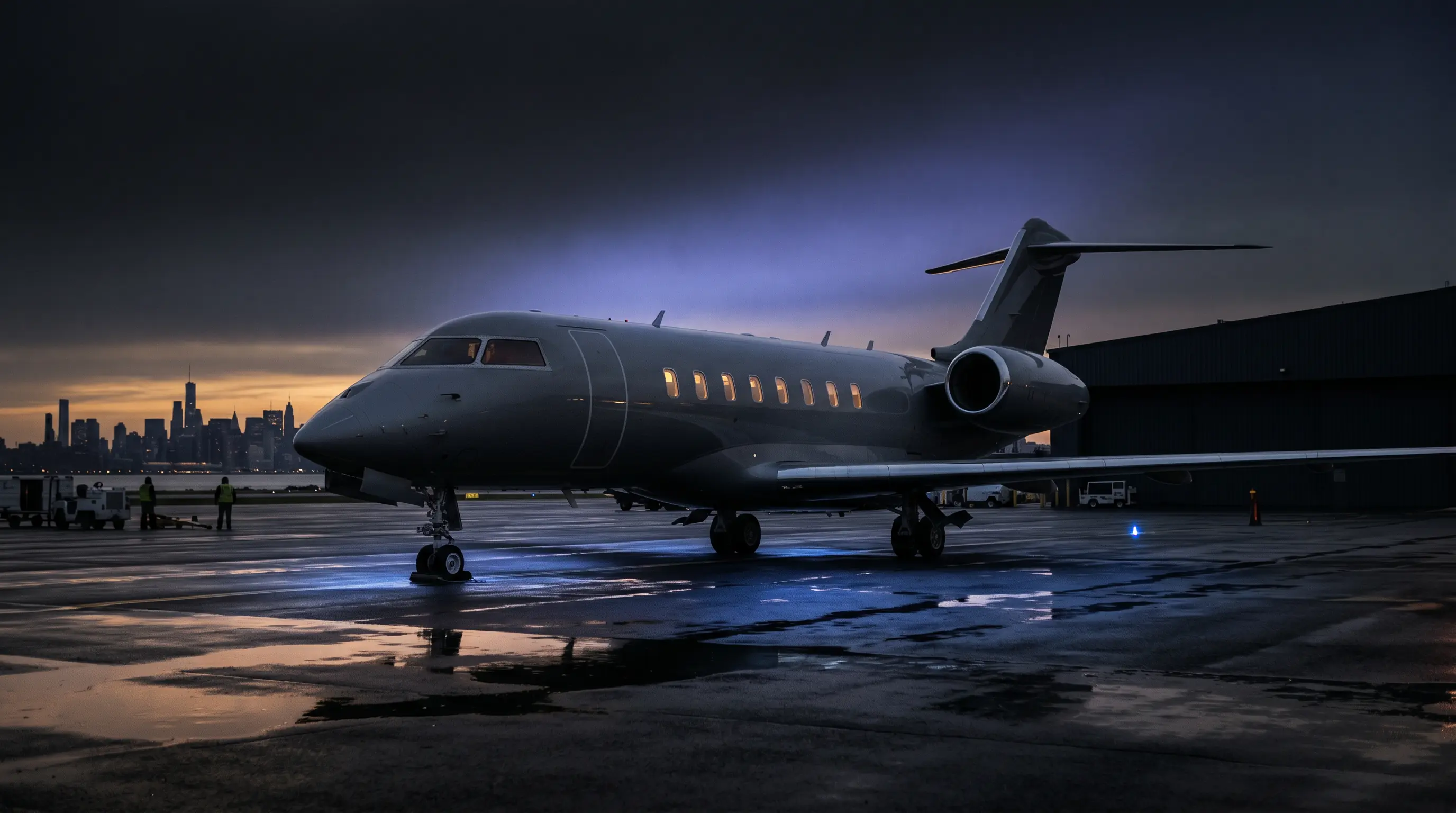
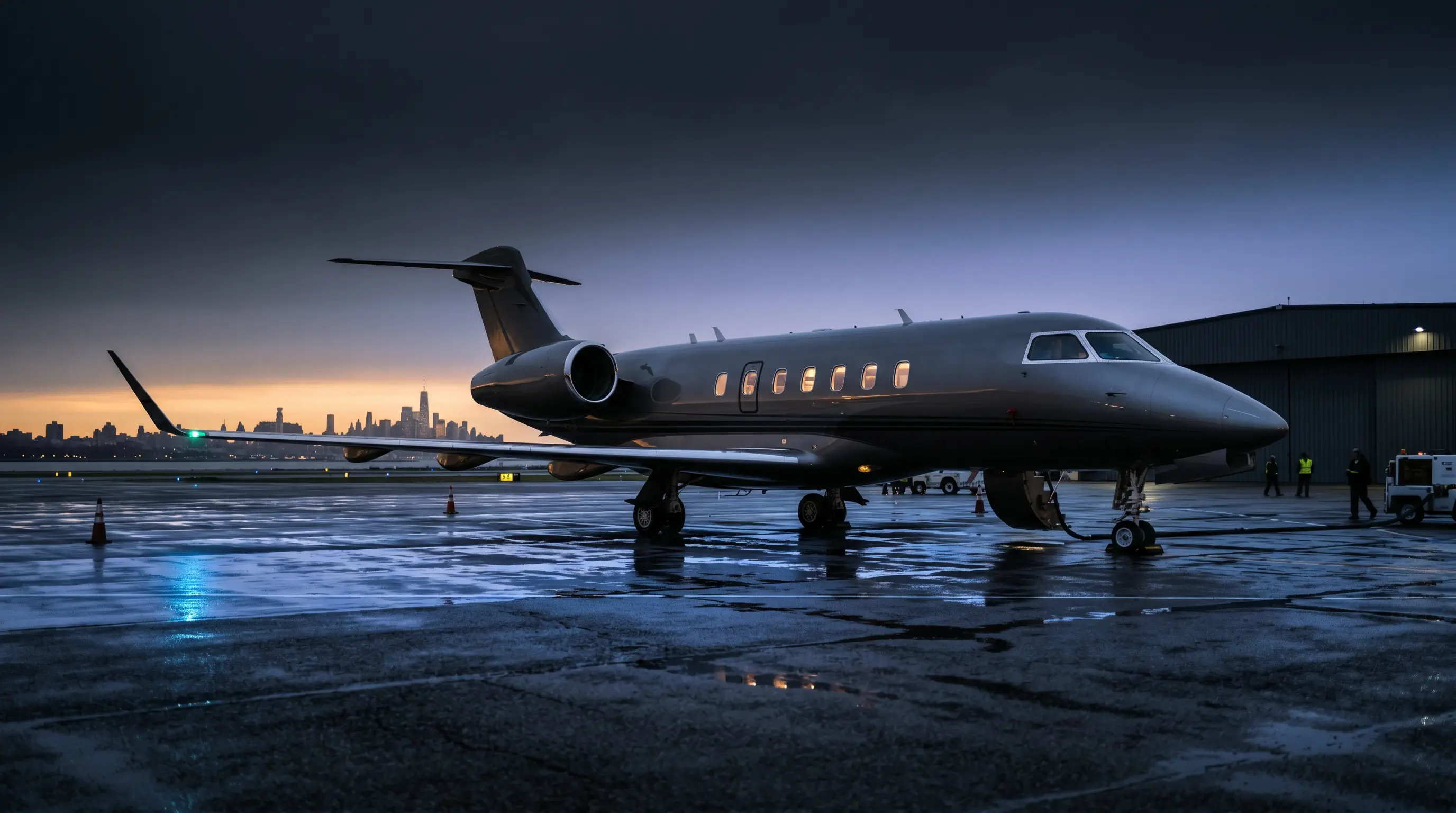
The King Air 260, inside and out

Other Turboprops for the NYC–MIA route


Charter services for the New York–Miami route
Frequently asked questions
How much is a King Air 260 charter from New York to Miami?
A one-way King Air 260 charter on the New York–Miami route is typically $9,000 to $13,500 (estimated), depending on the date and availability — among the most affordable private options between New York and Miami. Empty-leg flights can be less. Your quote includes fuel, fees, and taxes.
How many passengers does the King Air 260 seat?
The King Air 260 seats six to eight passengers in a typical charter layout, with a maximum of nine. On the New York–Miami route it is comfortable for a family or small group with full luggage.
Can the King Air 260 fly New York to Miami nonstop?
Yes. With 1,720 nautical miles of range against the route's roughly 950, the twin-engine King Air 260 flies the leg nonstop in either direction with a full cabin and IFR reserves.
How long is the New York to Miami flight on a King Air 260?
Plan on about three hours and ten minutes in the air at its 310-knot cruise, depending on winds. That is roughly forty minutes more than a light jet, in exchange for a noticeably lower charter rate.
Is the King Air 260 a jet or a turboprop?
It is a twin-engine turboprop, powered by two Pratt & Whitney Canada PT6A-52 engines. The cabin is fully pressurized and the FBO experience is the same as on a jet — it simply cruises a little lower and slower for a lower price.
Ready to fly New York to Miami?
Send your dates and party size for estimated pricing across suitable aircraft — typically within two hours, with no obligation.
 +1 (332) 290-1479